


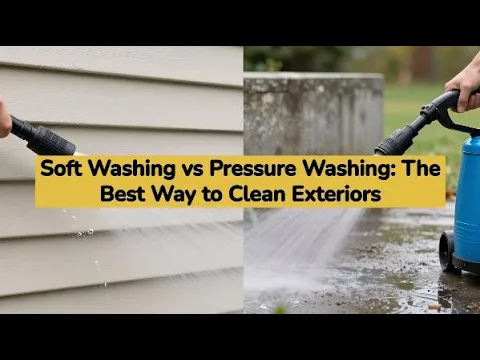
Soft Washing vs Pressure Washing: The Best Way to Clean Exteriors
Keeping the exterior of your home or commercial property clean is just as important as maintaining the interiors. Over time, dirt, mould, algae, mildew, and pollution build up on walls, driveways, roofs, and fences. This not only affects the appearance of your property but can also lead to long term damage if left untreated. Choosing the right cleaning method makes a significant difference in both results and durability.
Two of the most popular exterior cleaning techniques are soft washing and pressure washing. While they may seem similar, they work in very different ways and are suitable for different surfaces. This article will let you know the best way to clean exteriors. If you are planning deep cleaning for your property or preparing for budget bond cleaning Hobart services, understanding these methods can help you make the right decision and protect your investment.
Hide
Show
]- What is Pressure Washing?
- What is Soft Washing?
- Key Differences Between Soft Washing and Pressure Washing
- When Should You Choose Pressure Washing?
- When is Soft Washing the Better Option?
- Which Method is More Cost Effective?
- Infographic On Difference Between Soft Washing And Pressure Washing
- Wrapping Up
1. What is Pressure Washing?
Pressure washing uses high pressure water to remove dirt, grime, mould, and other debris from hard surfaces. A specialised machine sprays water at a strong force, effectively blasting away stubborn stains. This method is widely used for outdoor areas that can withstand intense pressure.
Pressure washing works best on surfaces like concrete driveways, brick pathways, stone walls, and metal surfaces. It is highly effective for removing built up mud, oil stains, and thick layers of dirt. However, because of the strong force, it may damage delicate materials such as wooden siding, roof shingles, or painted surfaces if not handled carefully.
2. What is Soft Washing?
Soft washing is a gentler cleaning method that uses low pressure water combined with specialised cleaning solutions. Instead of relying on force, this method uses eco friendly detergents to break down dirt, mould, algae, and bacteria. The solution is left to sit for some time before being rinsed away with low pressure water.
This technique is ideal for delicate surfaces such as roofs, vinyl siding, painted walls, timber decks, and fences. Soft washing not only removes visible dirt but also eliminates organic growth at its root. This helps prevent regrowth, making it a longer lasting solution compared to high pressure cleaning in certain cases.
3. Key Differences Between Soft Washing and Pressure Washing

The main difference between the two methods lies in the level of water pressure used. Pressure washing relies on a strong water force to clean surfaces, while soft washing depends on cleaning agents and low pressure to achieve results. Each method has its own advantages and limitations.
Another key difference is the impact on surfaces. Pressure washing can quickly remove tough stains, but it may cause damage if used on fragile materials. Soft washing, on the other hand, is safer for sensitive surfaces and offers longer lasting cleanliness by killing mould and algae spores. When deciding between the two, consider the type of surface and the extent of dirt buildup.
4. When Should You Choose Pressure Washing?
Pressure washing is ideal for surfaces that are durable and heavily soiled. If your driveway has oil stains or your brick wall is covered in thick grime, high pressure cleaning can restore the surface efficiently. It is also a great choice for patios, garage floors and concrete walkways.
However, professional handling is highly recommended. Incorrect pressure levels can cause cracks, chipped paint or water seepage. If you are preparing your property for inspection or planning bond cleaning Hobart services, pressure washing can significantly enhance curb appeal, especially in outdoor areas that face heavy foot traffic.
5. When is Soft Washing the Better Option?
Soft washing is the better option for roofs, painted exteriors, timber decks and surfaces prone to mould or algae growth. In areas with damp weather conditions, algae and mildew can spread quickly. Soft washing removes these contaminants effectively without causing structural damage.
This method is also preferred when you want long term protection. Since the cleaning solution kills bacteria and spores, the surface stays cleaner for a longer period. For homeowners preparing for bond cleaning Hobart, soft washing can safely refresh exterior walls and roofs, helping meet property standards without risking damage.
6. Which Method is More Cost Effective?
Cost effectiveness depends on the surface and the condition of your property. Pressure washing may seem faster and cheaper initially, especially for small areas. However, if it leads to accidental damage, repair costs can quickly increase.
Soft washing may involve slightly higher upfront costs due to specialised cleaning solutions, but it often provides longer lasting results. This reduces the need for frequent cleaning. In the long run, choosing the right method for each surface ensures better value for money and protects your property’s condition.
Infographic On Difference Between Soft Washing And Pressure Washing

Wrapping Up
Choosing between soft washing and pressure washing, depends on your surface type and cleaning needs. While pressure washing suits tough areas, soft washing protects delicate surfaces and prevents regrowth. For the best results, especially before bond cleaning, selecting the right method ensures safety, durability and long lasting cleanliness.