


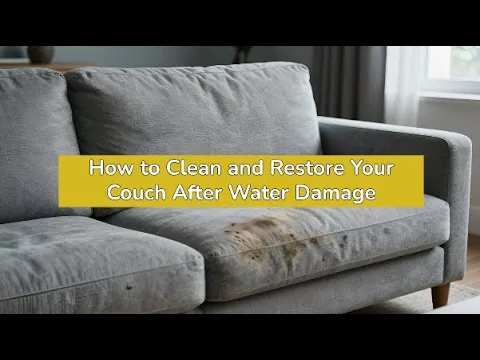
How to Clean and Restore Your Couch After Water Damage
Treating a stained, saggy, and discoloured couch after water damage is one of the most challenging tasks. Leaving the wet upholstery untreated can lead to a musty smell, mould stains, and even permanent damage.
Unfortunately, most tenants in Hobart lose their bond money due to damaged furniture that is beyond fair wear and tear. It is always good to identify the main culprit behind the water damage, fix it and restore your plush couch to its original glory.
Here is a step by step guide to help you clean and restore your couch using proven techniques. For cleaning an entire rental home, prefer hiring experts for a guaranteed end of lease cleaning Hobart and prevent unnecessary bond deductions.
Let’s Get Started!
Hide
Show
]- What are the Common Causes of a Water Damaged Couch?
- Thorough Inspection is a Must
- What Drying/Cleaning Tools Work Best for a Water Damaged Couch?
- Proactively Remove Excess Water
- Increase Indoor Air Circulation
- Use a Dehumidifier
- Sunlight May Help
- Removing Stubborn Stains : Water Marks and Mould
- When to Call Professionals?
- Infographic For Restoring A Water Damaged Couch
- Wrapping Up
1. What are the Common Causes of a Water Damaged Couch?
Before treating your damaged upholstered furniture, it is essential to understand the common culprits. Here are some of them you need to understand:
- Accidental Water Spills: Coffee, tea, wine and other liquids spilled directly onto the couch can penetrate deep into the cushions, causing water damage over time. This leaves nasty stains as well.
- Plumbing Leaks: Whether in a wall or under the floor, leaks from nearby pipes can cause water pooling that can damage your furniture. Faulty plumbing systems dripping from the roof can also damage your couch.
- External Water Intrusion: Damaged flashing, broken windowsills and poor insulation all contribute to water intrusion during heavy rains, causing damage to the couch, furniture and carpets.
- Indoor Humidity and Condensation: Poorly maintained HVAC systems and humidifiers can cause condensation. This moisture can seep deep into the soft fabric of the couch, causing dampness and mould patches.
- Cleaning Mistakes: Using too much water or water based cleaning product can also leave water marks or even permanently damage your sofa if left untreated. The water tends to trap inside the cushion layers, causing costly deterioration.
2. Thorough Inspection is a Must
If you suspect, inspect your expensive couch from all sides. Look for discolouration because water rings or stains often appear as darker patches on fabric. These discolourations help you determine how long the water has been sitting and how deeply it has penetrated the fabric.
Also, check for warping and swelling on any wooden part like legs, frames and arms. These are common signs of water damage. Musty odours are another big red flag. Also, remember that not all damage will be instantly visible. For instance, mould and mildew develop deep inside the sofa cushions or behind the fabric and spread across the area.
So, thoroughly check zippers, nooks, and crannies, and act as quickly as possible when damage occurs. This will help you prepare for final property inspection when moving out of a rental home.
3. What Drying/Cleaning Tools Work Best for a Water Damaged Couch?
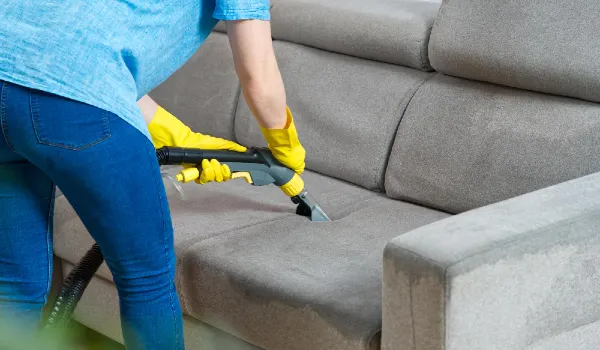
You don’t need fancy products or tools. Professional end of lease cleaning Hobart experts recommend using microfibre cloths or absorbent towels (paper towels), a dehumidifier, a handheld vacuum with upholstery attachments, a DIY green cleaning agents (vinegar and baking soda), protective gloves, and plastic sheets.
4. Proactively Remove Excess Water
Make sure you remove excess water from your couch. It could be an accidental spill, splatters or leakage issue. Use an absorbent towel to gently blot the surface where water has pooled. Don’t rub or scrub the fabric. Slowly and gently blot to extract water from the fabric layers as well as the interior padding.
5. Increase Indoor Air Circulation
You don’t need to do anything exceptional! All you can do is position a table fan around the damaged couch to blow air across the affected area. Ensure the air reaches every nook and cranny, even between cushions. You can also place fans at different angles. Opening windows and doors can also promote cross ventilation, helping your couch dry quickly.
6. Use a Dehumidifier
It can do wonders at reducing moisture in the air, especially if your couch is damaged by condensation and excess dampness. Place the dehumidifier close to the couch. However, avoid placing it directly on the wet furniture.
7. Sunlight May Help
If possible, move your water damaged couch to a properly ventilated area where it can dry in natural sunlight. Allow the natural heat to dry the couch without causing any damage. Rotate all cushions every hour to completely dry all sides.
Note: Be cautious of prolonged sun exposure, especially to leather couches. It can cause cracking and fading. So, it is good to avoid direct sunlight as well as high heat methods.
8. Removing Stubborn Stains : Water Marks and Mould
If your couch has stubborn water marks or mould stains, you will need to treat them properly. After drying your furniture, vacuum the surface to remove dirt and debris. Make sure you get into nooks and crannies. Next, apply a white vinegar and mild dishwashing soap solution onto the affected area and gently scrub in a circular motion. Clean the furniture section by section.
Note: Read the care label before applying any cleaning method. If your couch shows “W”, only then use water based cleaning solution. If it shows an ‘S’, use a dry clean method, and it is safer to use solvent based cleaner.
9. When to Call Professionals?
DIY drying and restoration hacks only work when the water damage is limited to the surface of your couch. If it has penetrated deep inside the cushions, you need to hire experts. Highly trained upholstery cleaning professionals know how to restore the furniture from water damage and remove stains effectively. You can book this add on service along with a bond cleaning Hobart and secure your hard earned bond money. You can even ask a company about the standard bond cleaning checklist and customise the package accordingly to pass your rental inspection.
Infographic For Restoring A Water Damaged Couch
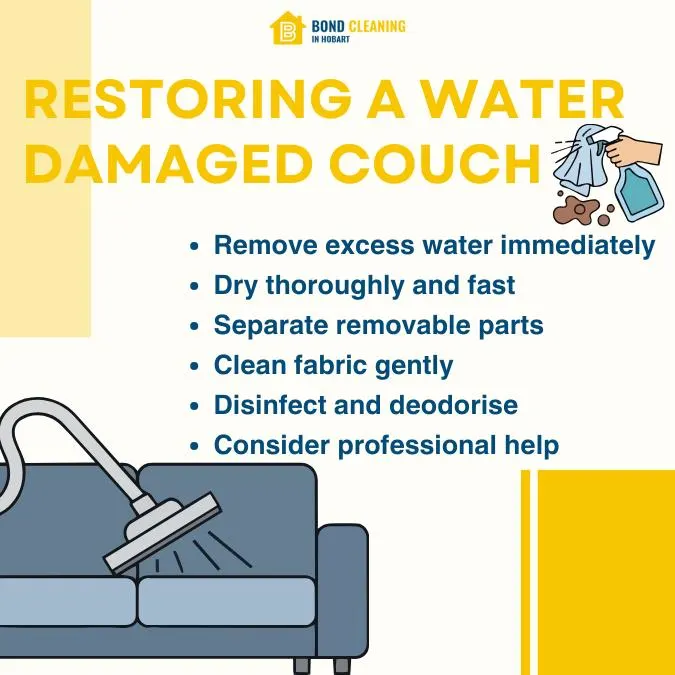
Wrapping Up
These are some of the proven ways to restore and clean water damaged couch like a pro. Make sure you follow the instructions carefully, identify the source of water damage, and dry the furniture using these methods.