


What Causes Window Condensation and How to Get Rid of It?
Have you ever woken up on a chilly morning to find your windows covered in tiny droplets of water? Window condensation is a common issue in many homes, especially during colder months. While it may seem harmless at first; persistent condensation can lead to mould growth, peeling paint, damaged window frames and even structural concerns if left untreated.
Understanding why condensation forms and how to manage it can save you from costly repairs and unhealthy indoor air quality. This article will guide you on what causes window condensation and how to get rid of it. Whether you are a homeowner trying to maintain your property or a tenant preparing for professional bond cleaning Hobart; knowing how to prevent and remove window condensation can make a significant difference in keeping your home clean, safe and comfortable.
Hide
Show
]- What Is Window Condensation?
- Common Causes of Window Condensation
- Why You Should Not Ignore Window Condensation?
- How to Reduce Indoor Humidity?
- Improve Ventilation and Air Circulation
- Practical Ways to Get Rid of Existing Condensation
- Infographic For Ways To Get Rid Of Window Condensation
- Wrapping Up
1. What Is Window Condensation?
Window condensation occurs when warm, moist air inside your home comes into contact with a cooler surface, such as glass. When the warm air cools down quickly, it loses its ability to hold moisture, and the water vapour turns into liquid droplets. This process is similar to what happens when you see water forming on the outside of a cold drink on a hot day.
There are generally three types of window condensation: interior, exterior and between the panes. Interior condensation is the most common and is usually caused by high indoor humidity levels. Exterior condensation forms on the outside of the glass and is typically harmless. However, condensation between double glazed panes often indicates a broken seal and may require professional repair or replacement.
2. Common Causes of Window Condensation
One of the main causes of window condensation is high indoor humidity. Everyday activities such as cooking, showering, drying clothes indoors, and even breathing release moisture into the air. When this moisture builds up and meets cold window glass, condensation forms quickly, especially during winter.
Poor ventilation is another significant contributor. Homes that are tightly sealed for energy efficiency may trap humid air inside. In regions with cooler climates like Hobart, the temperature difference between indoors and outdoors can be quite high, increasing the likelihood of condensation. If left unchecked, this moisture can lead to stains and mould, making tasks like bond cleaning Hobart more challenging at the end of a tenancy.
3. Why You Should Not Ignore Window Condensation?
Although condensation may seem like a minor inconvenience, ignoring it can cause serious problems over time. Continuous moisture exposure can damage wooden window frames, cause paint to peel, and weaken plaster or drywall around the windows. This not only affects the appearance of your home but also its long term value.
More importantly, excessive moisture encourages mould and mildew growth. Mould spores can affect indoor air quality and may cause health issues such as allergies, asthma flare ups, and respiratory irritation. For tenants, visible mould or water damage could impact the final property inspection. Addressing condensation early can help you avoid extra cleaning or repair costs during bond cleaning Hobart.
4. How to Reduce Indoor Humidity?
Lowering indoor humidity is one of the most effective ways to prevent window condensation. Simple daily habits can make a noticeable difference. For example, always use exhaust fans while cooking or showering to remove excess moisture from the air. If your kitchen or bathroom does not have an exhaust fan, consider installing one or opening windows slightly to improve airflow.
Using a dehumidifier is another practical solution, particularly during the winter months. A dehumidifier helps maintain optimal indoor humidity levels, ideally between 30% and 50%. You can also avoid drying clothes indoors or ensure the area is well ventilated if you must. Small lifestyle adjustments, can significantly reduce condensation and protect your windows from moisture damage.
5. Improve Ventilation and Air Circulation
Good ventilation plays a key role in preventing condensation. Allowing fresh air to circulate helps balance indoor humidity levels and reduces the buildup of moist air near windows. Opening windows for a short period each day, even during colder weather, can help refresh indoor air and minimise moisture.
You should also ensure that furniture and curtains do not block airflow around windows. When warm air cannot circulate properly, cold spots develop, increasing condensation risk. In some cases, upgrading to double glazed windows can also help. Double glazing keeps the inner glass surface warmer, reducing the chances of moisture forming on it.
6. Practical Ways to Get Rid of Existing Condensation
If you already notice condensation on your windows, it is important to remove it quickly. Leaving moisture on the glass and window frames for too long can lead to mould, stains, and damage to the window sills.
Here are some simple ways to deal with window condensation:
- Wipe the windows daily using a dry cloth or towel.
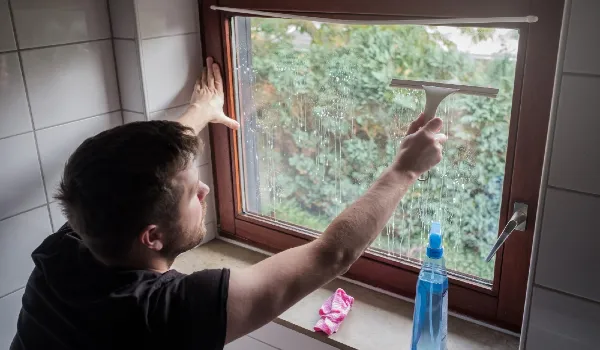
- Use a squeegee to remove water from the glass easily.
- Check window seals for any cracks or gaps.
- Fix damaged seals to prevent cold air from entering.
- Call a professional if condensation appears between double glazed glass panes.
Taking these small steps can help prevent moisture damage and keep your windows clean, especially when preparing your home for bond cleaning Hobart before moving out.
Infographic For Ways To Get Rid Of Window Condensation

Wrapping Up
Window condensation is a common household issue, particularly in cooler climates. While it may seem like a small problem, ongoing moisture can lead to mould growth, structural damage, and health concerns. Understanding the causes allows you to take effective preventive measures. Whether you are maintaining your property or preparing for bond cleaning, controlling window condensation will ensure your windows remain clean, damage free, and inspection ready.